Optimal Timing for Foundation Repairs
Foundation repairs are most effective when performed under optimal weather conditions and during periods of minimal soil movement. Timing can influence the longevity and success of repair projects, ensuring stability and durability.
Spring offers moderate temperatures and soil moisture, making it suitable for foundation work. However, increased rainfall can sometimes delay progress.
Summer provides longer daylight hours and stable weather, ideal for foundation repairs. Hot and dry conditions can facilitate quicker curing of materials.
Fall's cooler temperatures and reduced rainfall can be advantageous. Soil tends to be more stable, minimizing movement during repairs.
Winter is generally less ideal due to freezing temperatures and frozen ground, which can hinder excavation and curing processes.
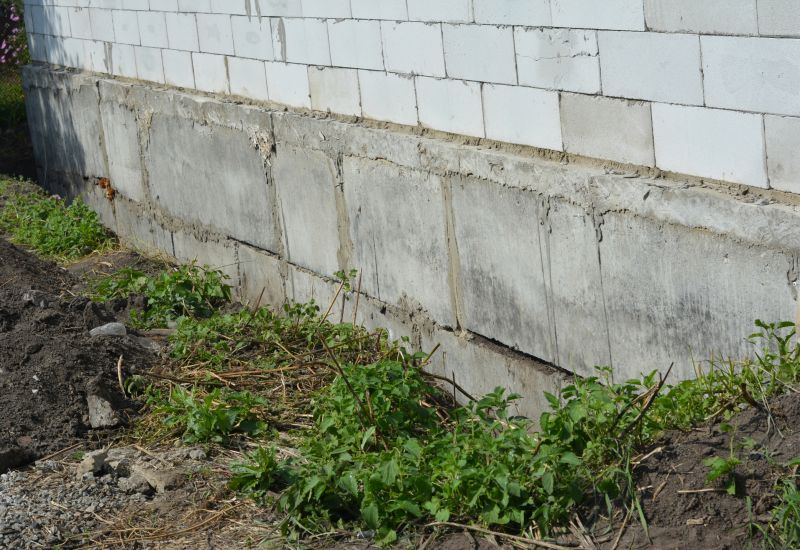
Springtime offers optimal soil conditions for foundation stabilization.
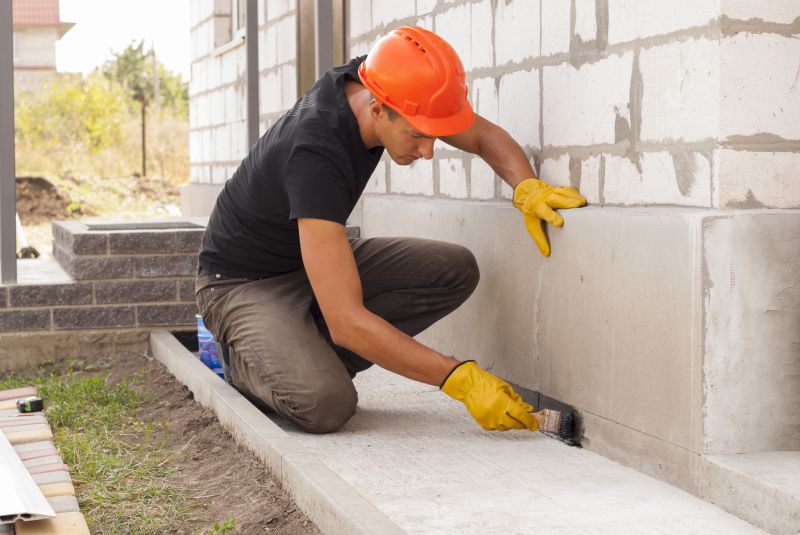
Summer's warm weather supports quick setting of repair materials.
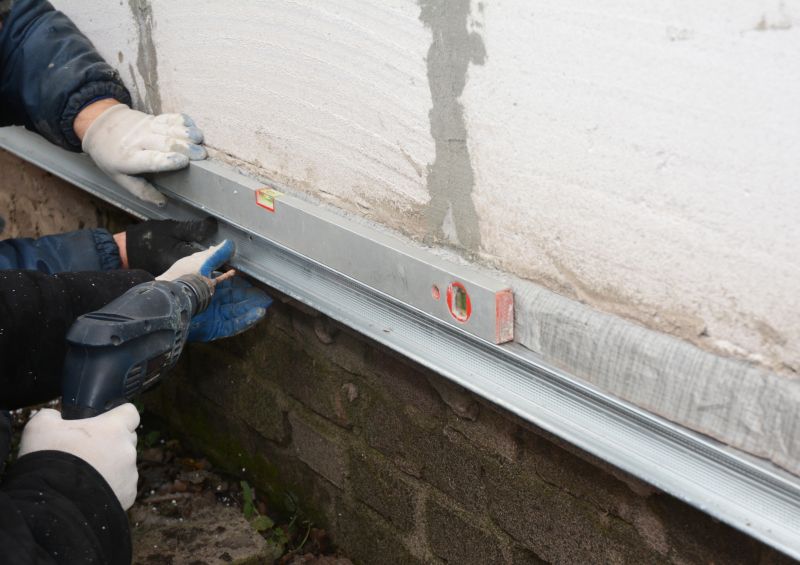
Fall provides stable ground conditions for effective repairs.
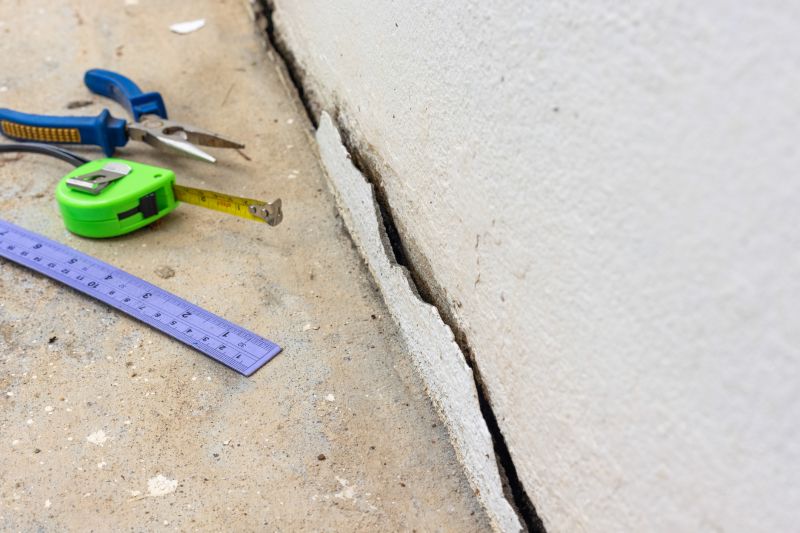
Ways to make Foundation Repairs work in tight or awkward layouts.
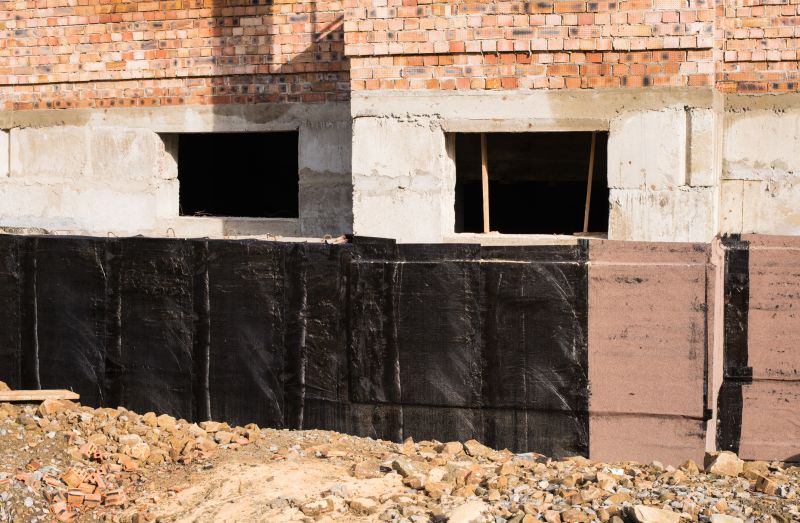
Popular materials for Foundation Repairs and why they hold up over time.
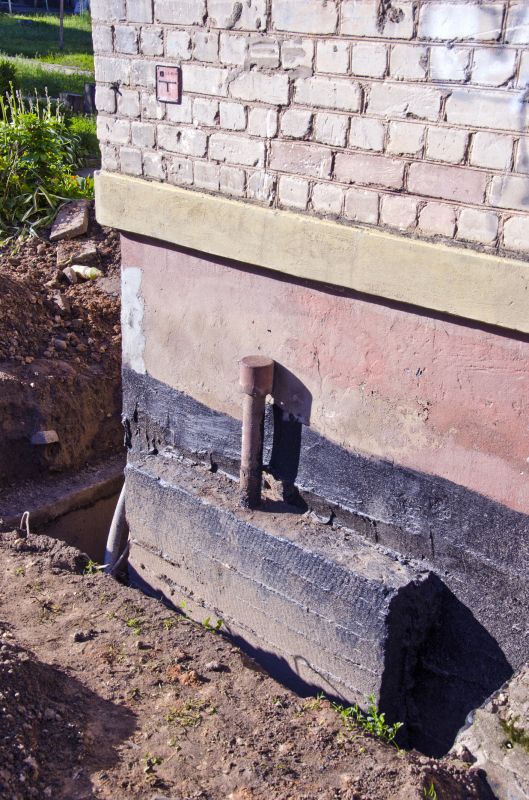
Simple add-ons that improve Foundation Repairs without blowing the budget.
| Season | Optimal Conditions |
|---|---|
| Spring | Moderate temperatures, soil moisture, potential rainfall delays |
| Summer | Warm, dry weather, longer daylight hours |
| Fall | Cooler temperatures, stable soil conditions |
| Winter | Freezing temperatures, frozen ground, limited excavation |
Foundation repairs are crucial for maintaining structural integrity and preventing further damage. Addressing issues promptly can help avoid costly repairs in the future. Soil conditions, weather patterns, and ground stability play significant roles in determining the best time for repairs. Proper timing ensures that repairs are effective and long-lasting, reducing the risk of future settlement or shifting.
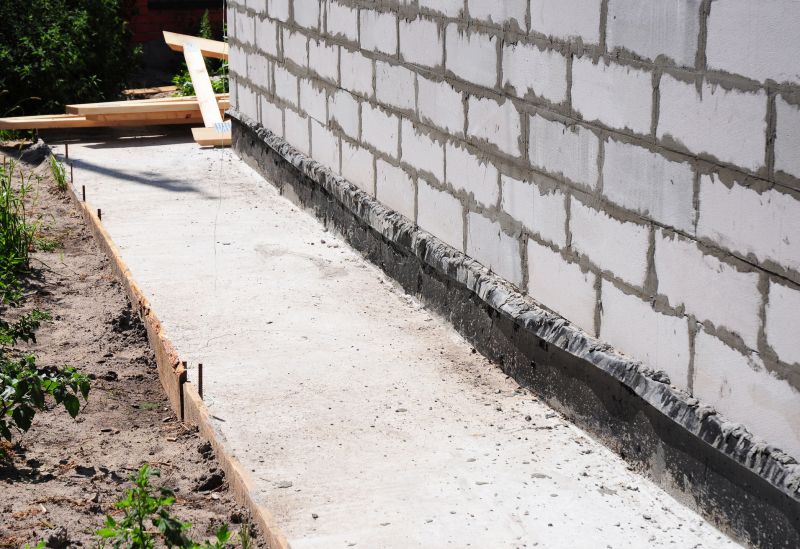
An overview of typical foundation repair procedures.
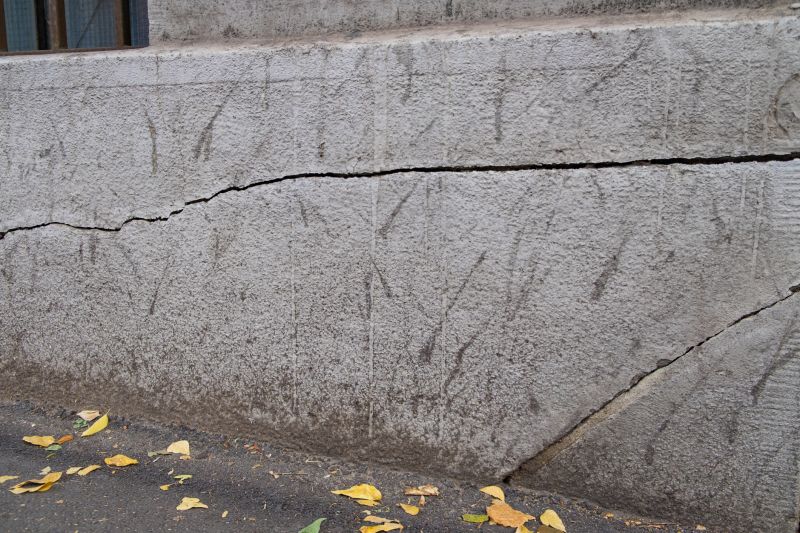
Common signs indicating the need for repairs.
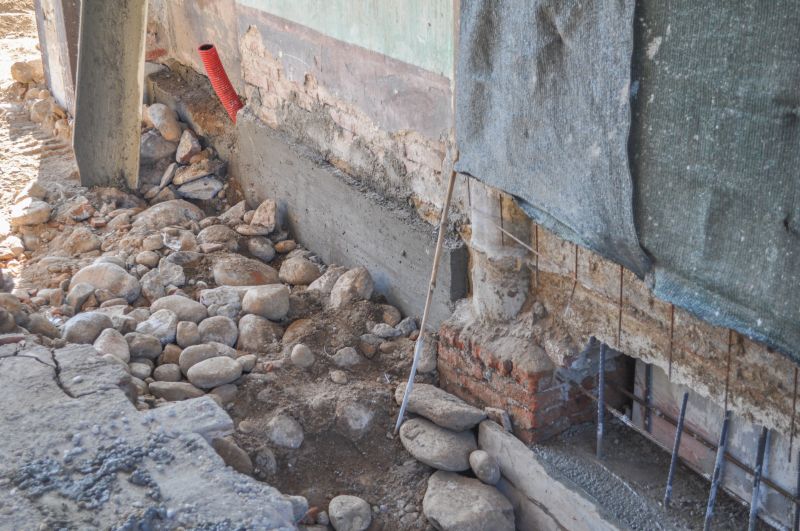
Techniques used to stabilize and reinforce foundations.
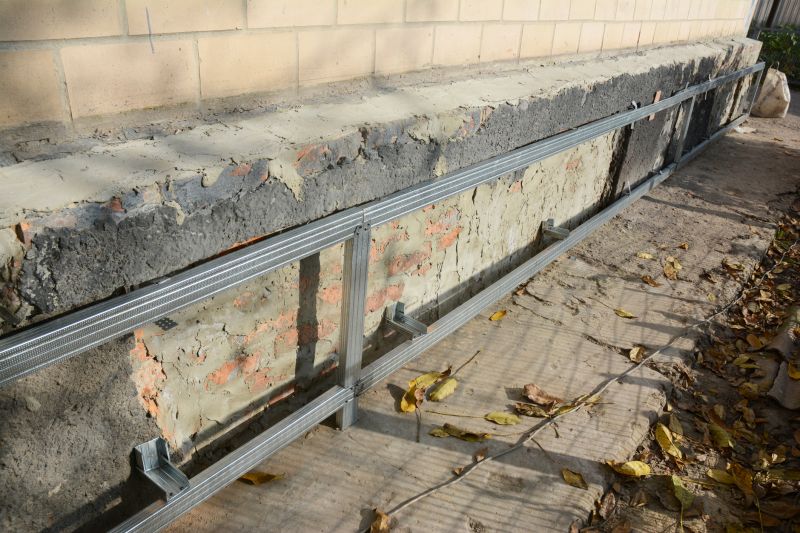
Methods to improve soil conditions before repairs.
Timely foundation repairs are essential for preserving property value and safety. Recognizing the right season and weather conditions can significantly impact the effectiveness of repair work. Consulting with foundation specialists can help determine the most suitable time for repairs based on local climate and soil conditions.
Cracks, uneven flooring, and sticking doors may indicate foundation problems.
Piering, underpinning, and mudjacking are common techniques.
Proper drainage and soil management can reduce future risks.
Select experienced professionals for quality results.
Interested property owners in Utica, MI, can contact professionals to assess foundation conditions and determine the optimal repair timing. Early intervention helps maintain structural stability and property value over time.